
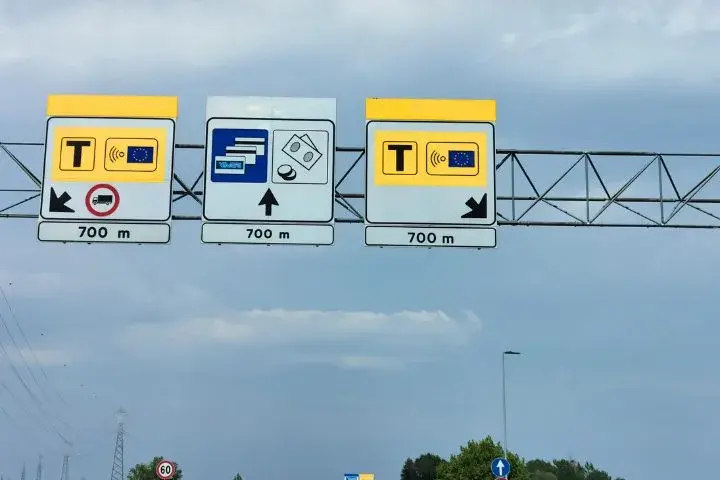
For many UK drivers heading to France or Spain, electronic toll tags have become an essential part of smooth motorway travel. These devices allow you to pass through toll booths without stopping, reducing queues and keeping long journeys flowing. However, one detail that is often overlooked is how closely toll-tag accounts are linked to your vehicle’s number plate. Failing to prepare this properly before you travel can result in unexpected charges, rejected payments, or fines issued after you return home.
Most European toll systems use automatic number plate recognition alongside the toll tag itself. This acts as a backup and a verification method, ensuring the correct vehicle is billed. If your number plate details are outdated or incorrect, the system may still allow you through the barrier but later flag the journey as unpaid or mismatched. In France and Spain, where toll roads are heavily automated, these errors are increasingly common for foreign drivers.
One of the biggest causes of problems is a change to your number plate or country identifier. Since the UK’s exit from the EU, many drivers have updated their plates to comply with current international requirements. If you have done this, your toll-tag account must be updated to reflect the exact plate now displayed on your vehicle. Even small differences, such as spacing or missing identifiers, can cause recognition issues.
Before you travel, log into your toll-tag provider’s online portal and check the registered vehicle details carefully. Confirm that the registration number matches your plate exactly as it appears, including spacing, letters, numbers, country identifiers, and formatting. Even small discrepancies—such as missing characters, incorrect spacing, or outdated formats—can cause automated recognition systems to fail. If you have more than one vehicle linked to the account, make sure the correct one is selected and active for your trip, particularly if you regularly switch between personal, business, or hire vehicles. Some providers allow temporary vehicle changes or short-term reassignment of tags, which can be especially useful if you are using a different car for a holiday or borrowing a vehicle for long-distance travel. Taking a few minutes to verify this information can prevent misidentification by toll cameras and avoid unnecessary admin once you are already on the road.
It is also wise to check your payment method well in advance of your journey. An expired card, a cancelled direct debit, or a failed payment authorisation can combine with plate recognition issues to create a much bigger problem than a simple missed toll. Many toll operators process charges after your journey rather than in real time, meaning you may not realise anything is wrong until weeks later. If payment fails at that stage, penalties and administrative fees can be issued automatically, often without any warning. These fines frequently arrive long after the journey has ended, making them harder to challenge and more stressful to resolve. By ensuring your payment details are up to date and functional, you remove another layer of risk that could turn a simple toll charge into an expensive and time-consuming dispute.
Another area to consider is low-emission zones, congestion charging areas, and restricted access zones around major cities. Some toll-tag accounts integrate with environmental charging schemes and urban access systems, while others operate completely separately. If your plate details are incorrect, your vehicle may not be recognised as authorised, even if you have registered or paid correctly through another platform. This can result in separate fines that are unrelated to toll roads themselves, often issued by city authorities rather than toll operators. These penalties are typically automated, strictly enforced, and difficult to appeal without clear evidence. Checking compatibility between your toll account, plate details, and any environmental or access schemes helps ensure that your vehicle is recognised across all systems, not just on motorways and toll routes, reducing the risk of unexpected charges from multiple authorities during your trip.
Taking the time to align your number plate and toll-tag information before you leave the UK can save a great deal of hassle. Many drivers update their plates through suppliers such as Regplates and then forget that linked services need updating too. A final check a few days before departure is usually enough to prevent problems.
Ultimately, toll tags are designed to make European driving easier, but they only work smoothly when your vehicle details are accurate and up to date. These systems rely almost entirely on automatic number plate recognition and backend account matching, which means even a minor error can undermine the convenience they are supposed to provide. When the technology works as intended, toll barriers open seamlessly, charges are processed correctly, and you can move across borders and regions without giving payment or compliance a second thought.
A few minutes spent reviewing your account before you travel can mean the difference between a relaxed motorway journey and an expensive administrative headache after your holiday ends. By checking that your registration details, payment methods, and linked vehicles are correct, you reduce the risk of delayed fines, follow-up letters, and confusing disputes that often surface weeks after you return home. In practical terms, it’s a small, proactive task that protects both your time and your budget. More importantly, it allows you to enjoy the freedom of driving across Europe as it’s meant to be experienced—focused on the road ahead and the destination, not on avoidable problems waiting in your inbox when the trip is over.


More Stories
The Long-Term Benefits of Professional Roof Cleaning in Manchester
Top 10 Active Date Ideas Beyond Traditional Sports
Sustainable home: Spare parts for all your devices